

Exam-Ready Series: Where Firms Struggle (and How to Identify Gaps Early) | Part 2 of 3

Updated: Jun 5
As part of TLC's 3-Part Exam-Ready Series we’re continuing to explore the operational and compliance areas regulators consistently evaluate during SEC and state examinations — and where firms most often encounter challenges.

Quick navigation:
Compliance Documents Are More Than a Checklist

When regulators examine a firm, they are not just reviewing whether documents exist — they are evaluating whether those documents accurately reflect how the firm operates day to day.[1]
And across both SEC and state examinations, the same documentation issues appear again and again.[1]
Not because firms are ignoring compliance.
But because documentation often falls behind operational reality as firms grow, evolve, and focus on serving clients.
Where Firms Commonly Run Into Trouble
In many cases, firms have the required policies and procedures in place. The challenge is that those documents may no longer align with current practices, regulatory expectations, or the firm’s actual supervisory processes.[4]

Some of the most common issues regulators identify include:
Policies and procedures that haven’t been updated to reflect how the firm operates today [2]
Inconsistencies between disclosures, internal procedures, and actual business practices
Documentation that exists but does not demonstrate meaningful supervision or oversight
Records that are technically complete but difficult to explain, support, or defend during an examination
Why Documentation Matters During an Examination
These are not viewed as minor administrative issues.
Documentation serves as the foundation of an effective compliance program. SEC examiners routinely evaluate whether a firm’s written policies, records, and supervisory practices are reasonably designed to support compliance with regulatory obligations.[3]
When documentation is inconsistent, outdated, or disconnected from actual operations, it becomes significantly more difficult to demonstrate that compliance controls are functioning effectively.[3]
Shifting from “Check-the-Box” Compliance to Alignment
So how can firms improve? Start by shifting the focus away from simply checking boxes.
Instead of asking:
“Do we have this document?”
Ask:
Simplification Often Strengthens Compliance

From there, the goal is not to create more paperwork.
The goal is alignment.
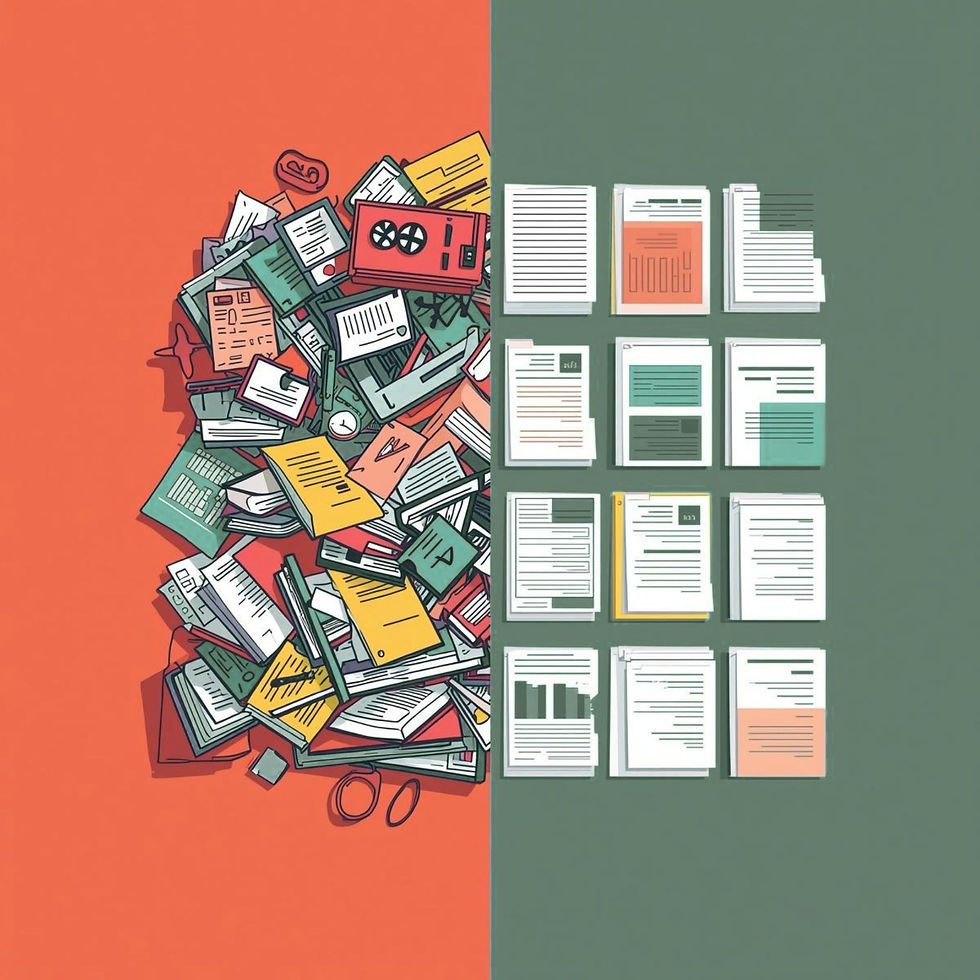
Strong compliance documentation should support the way your firm operates — not create unnecessary complexity or confusion.[5]
In many cases, simplifying procedures and ensuring consistency across documents can significantly strengthen exam readiness. Because one of the greatest compliance risks is not the absence of documentation — it’s documentation that no longer reflects how the firm actually operates.[6]

Up Next: Where Firms Struggle (and How to Identify Gaps Early)
In Part 2 of the Exam-Ready Series, we’ll explore where firms most often Strong compliance programs are not built around last-minute exam preparation — they are built through consistent oversight, organization, and ongoing maintenance throughout the year.

Corrie Scoby
Chief Consultant & Owner, Three Lumos Consulting, LLC
We guide RIAs with clarity, integrity, and partnership—so you can spend less time on compliance and more time serving clients.
Note: This article provides general information and does not constitute advice. Consult your compliance team for guidance specific to your firm.
Sources
[1] U.S. Securities and Exchange Commission (SEC)
[2] COMPLY
[3] Compliance Risk Concepts
[4] AdvisorLaw LLC
[5] Source: Fairview Investment Services
[6] Source: SEC Compliance Solutions
